InterviewJam Where Great Conversations Get Hired

InterviewJam

Where Great Conversations Get Hired

Latest Articles

The Paper Trail That Leads Nowhere: What Resumes Consistently Get Wrong About Real Talent
Hiring Science

The Paper Trail That Leads Nowhere: What Resumes Consistently Get Wrong About Real Talent

Resumes are the most trusted document in hiring — and arguably the most misleading. The credentials candidates lead with rarely predict the behaviors that actually drive performance, and the signals that do matter almost never make it onto the page. Here's what to tune into instead.
They Saw Your Job Post and Kept Scrolling: What's Driving Top Talent Away Before the First Click
Hiring Science

They Saw Your Job Post and Kept Scrolling: What's Driving Top Talent Away Before the First Click

The best candidates aren't rejecting your offer — they're rejecting your process before they ever submit a resume. Understanding why stellar applicants self-select out of your pipeline could be the single biggest unlock in your recruiting strategy.

Compliance Killed the Conversation: How HR Approval Processes Are Gutting Your Best Interview Questions
Hiring Science

Compliance Killed the Conversation: How HR Approval Processes Are Gutting Your Best Interview Questions

The questions that actually reveal whether someone can do the job are often the first ones stripped out by legal review. Corporate compliance frameworks were built to protect companies, but somewhere along the way they started protecting mediocre hires too. Here's what's getting lost—and what smart hiring managers are doing about it.

Brilliant Hire, Broken Team: The Hidden Cost of Chasing the Perfect Candidate
Hiring Science

Brilliant Hire, Broken Team: The Hidden Cost of Chasing the Perfect Candidate

That standout candidate with the flawless resume and sharp answers might actually be your team's biggest threat. Before you extend the offer, here's how to spot the subtle signs that a technically gifted hire could quietly unravel the collaborative culture you've spent years building.

Don't Just Agree: How Pushing Back in Interviews Actually Wins the Job
Interview Psychology

Don't Just Agree: How Pushing Back in Interviews Actually Wins the Job

The candidates who get remembered aren't always the most agreeable ones in the room. Strategic pushback and confident disagreement signal exactly the kind of critical thinking that hiring managers say they want — but rarely see. Here's why knowing when to challenge an interviewer might be your sharpest move yet.

You Asked for Feedback. They Sent a Template. Here's Why.
Interview Psychology

You Asked for Feedback. They Sent a Template. Here's Why.

The candidates most eager to grow are the ones hiring teams are least likely to level with. Post-interview feedback requests are almost universally met with silence or corporate boilerplate — and the reasons behind that silence say a lot more about organizations than they do about candidates.

Own Your Failures Before Someone Else Does: Why Flawed Candidates Get the Callback
Interview Psychology

Own Your Failures Before Someone Else Does: Why Flawed Candidates Get the Callback

Counterintuitive but backed by research: candidates who openly discuss their professional stumbles consistently outperform polished, error-free presenters in hiring decisions. It turns out that admitting you've screwed up — and grown from it — might be the most powerful thing you can say in an interview room.

Shut Up and Ask Something: How Candidates Who Probe Get the Offer
Interview Psychology

Shut Up and Ask Something: How Candidates Who Probe Get the Offer

Most candidates treat the 'any questions for us?' moment like a formality — smile, say something polite, and get out. But the research tells a different story. Candidates who ask sharp, substantive questions don't just leave a better impression — they fundamentally change how interviewers remember them.

Honesty Trap: Why Saying 'I Don't Know' in Interviews Backfires More Than You'd Think
Interview Psychology

Honesty Trap: Why Saying 'I Don't Know' in Interviews Backfires More Than You'd Think

Candidates who openly acknowledge what they don't know are often praised in theory — but quietly penalized in practice. A closer look at the psychology behind interview judgment reveals a messy double standard that most hiring teams don't even realize they're running. Here's how to navigate it.

Too Good for the Room: Why Exceptional Credentials Can Work Against You in Interviews
Interview Psychology

Too Good for the Room: Why Exceptional Credentials Can Work Against You in Interviews

Having an impressive track record should be an asset in any interview — so why do some of the most accomplished candidates keep walking away empty-handed? The answer has less to do with their résumé and more to do with how mastery gets misread in the room. Understanding this dynamic might be the most underrated skill in a senior professional's toolkit.

The Quiet Ones Who Can Actually Do the Work: Why Stellar Candidates Bomb Interviews
Hiring Science

The Quiet Ones Who Can Actually Do the Work: Why Stellar Candidates Bomb Interviews

The candidate who stumbles through behavioral questions might be the exact person your team desperately needs. Interview rooms have a built-in bias toward people who talk well — not people who work well. Here's how to stop confusing polish with potential.

When Being Great at the Job Makes You Terrible at Getting It
Interview Psychology

When Being Great at the Job Makes You Terrible at Getting It

Some of the most capable people in any field consistently bomb interviews — not because they lack skill, but because the interview format itself punishes the way high performers think. Understanding the psychology behind this paradox can change how you hire and how you show up.

When Honesty Costs You the Job: The Quiet Bias Against Self-Aware Candidates
Interview Psychology

When Honesty Costs You the Job: The Quiet Bias Against Self-Aware Candidates

Interview rooms have a dirty little secret: the candidate who admits what they don't know often loses to the one who pretends they know everything. This piece breaks down the psychological trap that punishes genuine self-awareness — and what both sides of the table can do about it.

7 Gaps Between What Candidates Say and What They Actually Mean
Hiring Science

7 Gaps Between What Candidates Say and What They Actually Mean

Candidates are telling you the truth — just not always with their words. Learn to spot the patterns, pauses, and storytelling tells that separate genuine capability from polished performance.

Your Brain Decides Before You Do: The Hidden Neuroscience Shaping Every Interview
Interview Psychology

Your Brain Decides Before You Do: The Hidden Neuroscience Shaping Every Interview

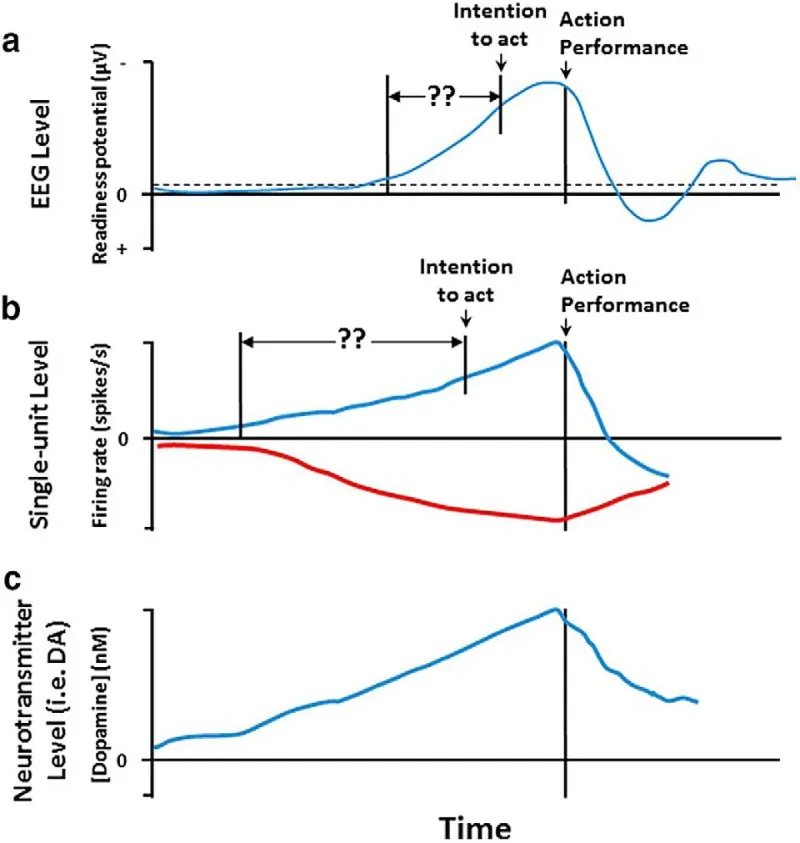
Long before a candidate shakes your hand or says their first word, your brain has already started building a verdict. Understanding the cognitive machinery behind snap judgments isn't just fascinating science — it's a competitive edge for anyone serious about hiring well.

You Don't Need Another Culture Fit — You Need Someone Who Challenges It
Hiring Science

You Don't Need Another Culture Fit — You Need Someone Who Challenges It

Tech startups love to hire for 'culture fit,' but that instinct might be quietly strangling your team's ability to innovate. When everyone thinks alike, moves alike, and came from the same handful of schools and companies, you don't have a culture — you have an echo chamber. Here's why the smartest teams in tech are ditching fit and hiring for what they actually need: expansion.

What Your Hands Are Saying While Your Mouth Is Talking
Interview Psychology

What Your Hands Are Saying While Your Mouth Is Talking

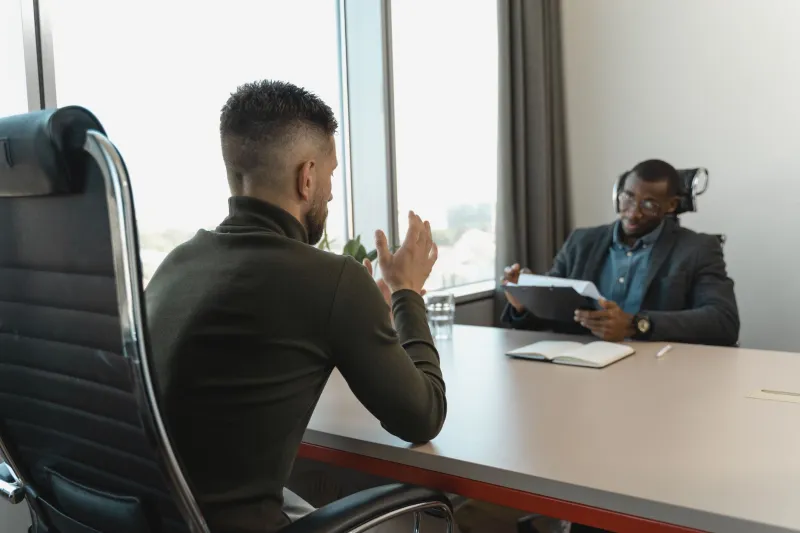
Your resume got you in the room, but your body might be talking its way right back out. Hiring managers pick up on nonverbal cues constantly — often without realizing it. Here's how to take control of the signals you're sending before the first question is even asked.

What Interviewers Miss When Nobody's Talking: The Hidden Power of Silence
Interview Psychology

What Interviewers Miss When Nobody's Talking: The Hidden Power of Silence

Most interviewers treat silence like a technical glitch—something to fix as fast as possible. But research in cognitive psychology suggests those quiet moments are actually where the real interview happens. Here's how to stop filling the void and start listening to it.

Hiring Science

Hire Like You're Bringing On a Partner, Not Filling a Seat

Early-stage startups can't afford to hire like Fortune 500 companies—the stakes are too high and the margin for error is too thin. The founders who build the best teams aren't running traditional interviews; they're having founder-level conversations with every candidate who walks through the door. Here's what that actually looks like.

Hiring Science

Stop Asking 'Where Do You See Yourself in Five Years?' — Here's What Actually Works

Most hiring managers are still running the same tired playbook from 1995. New behavioral science research reveals the five interview questions that genuinely forecast long-term employee success — and spoiler alert, none of them involve hypothetical deserted islands.