Your Brain Decides Before You Do: The Hidden Neuroscience Shaping Every Interview
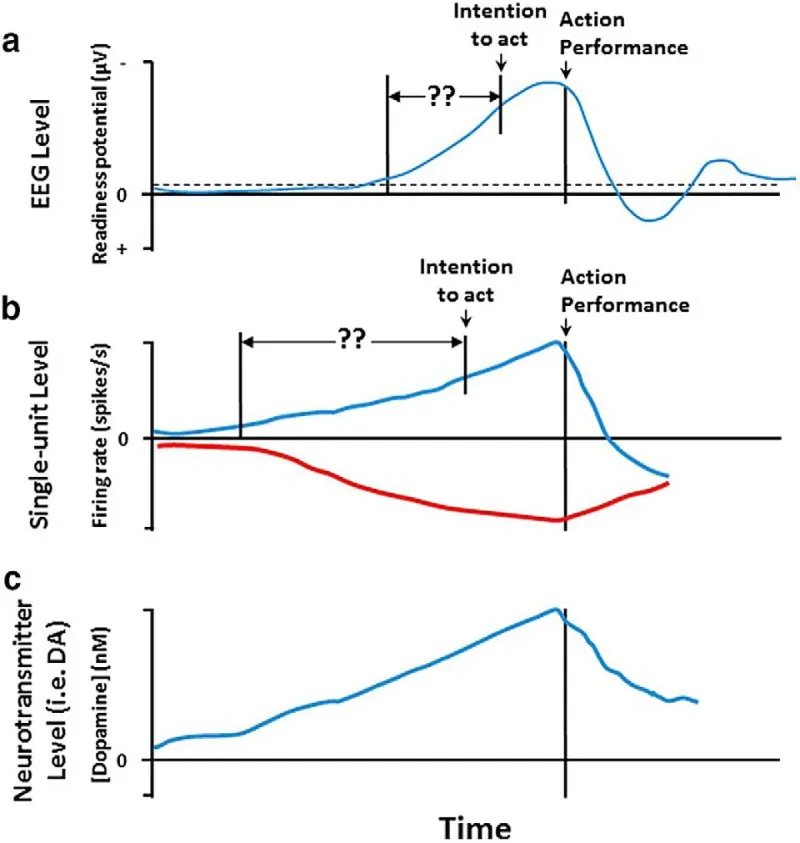
Photo: Karim Fifel, CC BY-SA 4.0, via Wikimedia Commons
Here's an uncomfortable truth: by the time a candidate sits down across from you, you've already formed an opinion. Not a hunch. Not a vibe. An actual neurological conclusion — one that your conscious mind will spend the rest of the interview trying to confirm rather than question.
Welcome to the world of first-impression science, where milliseconds matter more than most hiring managers would like to admit.
The 100-Millisecond Problem
Researchers at Princeton found that people form judgments about a stranger's trustworthiness, competence, and likability in as little as 100 milliseconds — that's one-tenth of a second. Before a word is spoken. Before a résumé is reviewed. Before anyone has asked a single question.
This isn't a flaw in human cognition so much as it's a feature — one that evolved when quick reads of strangers were literally a survival mechanism. The amygdala, your brain's threat-detection hub, processes facial cues and body language faster than your prefrontal cortex (the rational, deliberate part) can even register what's happening. By the time you think you're evaluating someone, your emotional brain has already filed a preliminary report.
The problem? Evolution didn't optimize this system for spotting great software engineers or empathetic sales reps.
What Your Environment Is Already Communicating
Most hiring teams think the interview starts when the candidate walks in. Neuroscience disagrees. The environment itself sends signals that prime both parties before anyone opens their mouth.
A cluttered, dimly lit conference room triggers mild stress responses. A cold, overly formal setup activates social threat detection. On the flip side, a warm, well-lit space with intentional seating arrangements — where the interviewer isn't positioned directly across a table like an interrogation — actually reduces cortisol levels and encourages more honest, open communication.
If you're a recruiter or hiring manager, this is low-hanging fruit. Rearrange the furniture. Add a plant. Make sure the room isn't freezing. These aren't soft, feel-good suggestions — they're environmental design choices that literally change how a candidate's nervous system responds, which changes what you get out of them.
The Halo Effect Is Running Your Interviews (Whether You Know It or Not)
Once that initial impression locks in, the brain does something sneaky: it starts filtering all subsequent information through that lens. Psychologists call this the halo effect. If your gut said "yes" in the first few seconds, you'll unconsciously interpret ambiguous answers as promising. If your gut said "no," you'll read the same answers as red flags.
This is why structured interview formats exist — and why so many companies still don't use them. Unstructured conversations feel more natural, but they're essentially a playground for cognitive bias. Structured interviews, where every candidate gets the same questions in the same order with a consistent scoring rubric, don't eliminate bias, but they put guardrails on it.
The goal isn't to become a robot. It's to create enough process friction that your amygdala doesn't get to make all the decisions.
Remote Interviews Flip the Script
Here's where things get genuinely interesting: video interviews change the neuroscience equation in ways most people haven't fully reckoned with.
On a video call, your brain is working overtime to compensate for missing information. You can't read full body language. Micro-expressions get compressed by camera quality and lighting. The social cues your nervous system normally uses to calibrate trust — proximity, smell, the subtle synchrony of in-person presence — are gone.
What fills the gap? Framing, lighting, and audio quality. Candidates who appear on camera in a well-lit, professional-looking setup are consistently rated as more competent and confident than equally qualified candidates with poor video setups. That's not fair. But it is neuroscience.
For interviewers, this means actively compensating. Pause longer before forming impressions. Give candidates a chance to settle into the format. And if you're evaluating technical or creative talent, consider whether the video format is even the right tool for the job — or whether an async format (like the kind InterviewJam is built around) might actually surface more authentic signal.
Tactics for Resetting a First Impression
So what do you do when you catch yourself already leaning one way five minutes into a conversation? A few practical resets:
Use the "stranger at a party" reframe. Ask yourself: if I met this person at a networking event and didn't know they were interviewing for a job, what would I think? Sometimes removing the evaluative frame loosens up your perception.
Ask one question you genuinely don't know the answer to. Scripted interviews let confirmation bias run wild because you're just checking boxes. A real, open-ended question you're actually curious about forces you to listen differently.
Build in a deliberate pause before scoring. After the interview ends, wait 10 minutes before writing any notes or ratings. Let the amygdala cool down. Your prefrontal cortex will catch up and add nuance.
Rotate interviewers. Different people will have different initial reactions to the same candidate. Comparing notes across multiple interviewers — especially when they haven't talked to each other first — gives you a more complete picture.
For Candidates: You Can Hack This Too
If you're the one being interviewed, understanding this science is genuinely useful. You can't control a stranger's unconscious, but you can influence what their brain has to work with.
Arrive early enough to settle your own nervous system. Slow, deliberate breathing for two minutes before walking in reduces cortisol and projects calm — which reads as confidence. Make intentional eye contact in the first few seconds, but don't overdo it (sustained, unbroken eye contact triggers discomfort, not trust). And if you're on video, invest in a ring light and a decent microphone — it's not vanity, it's neuroscience.
The Bigger Picture
First impressions aren't going away. They're baked into our biology. But the best hiring teams — and the most self-aware candidates — don't pretend they don't exist. They design around them.
That means building interview environments that calm nervous systems instead of spiking them. It means creating structured processes that give your rational brain a fighting chance. And it means staying curious enough to question the verdict your amygdala handed down in the first 100 milliseconds.
Because the best hire you ever make might be the person your gut almost dismissed before they even said hello.